This whole day started because I got curious about a few antique motorized bikes
This weekend, that conversation became an extraordinary experience for a group of Girl Scouts.
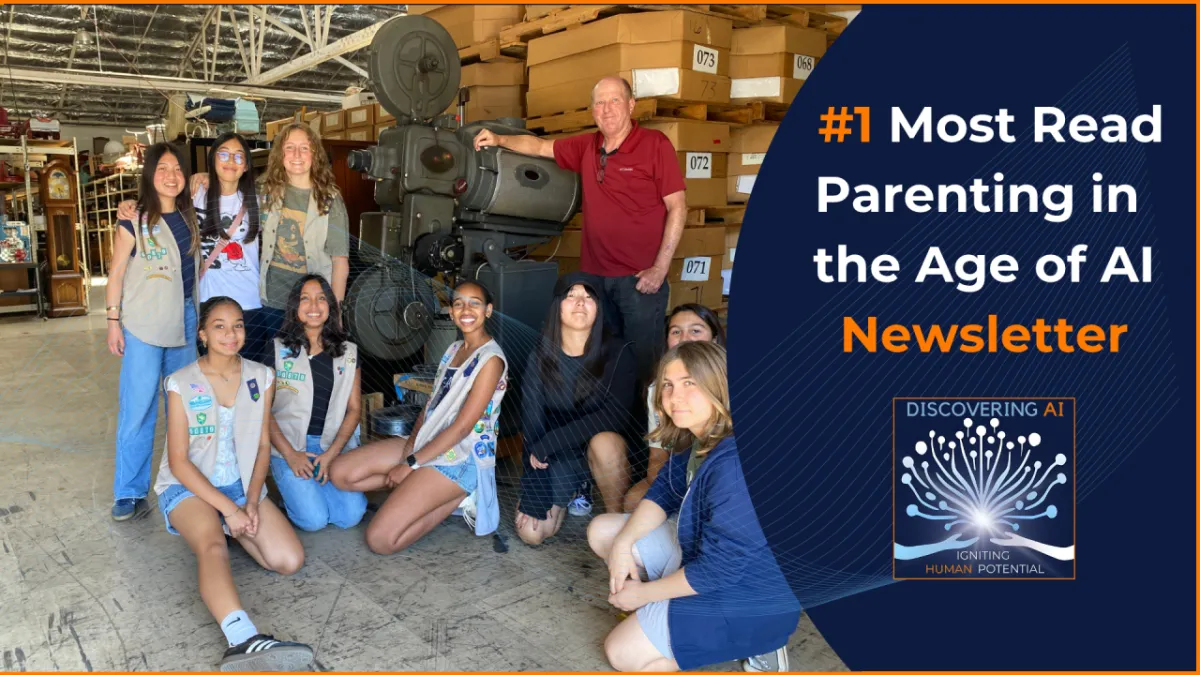
A few weeks ago, I was walking through an open house at the Museum of American Heritage with a friend when something caught my eye: a man carefully moving a set of antique motorized bikes across the floor. I didn't know who he was, but I wanted to know more about the bikes he was moving. So I walked over and introduced myself. That man turned out to be Jim Wall, a MOAH board member with a deep passion for preserving the stories and artifacts behind American innovation. MOAH is dedicated to mechanical, electrical, and technological artifacts from the Civil War era through the mid-20th century, a remarkable window into the inventions that transformed everyday American life before the digital age ever arrived. We fell into easy conversation, the kind where you lose track of time, and at some point I asked whether the museum ever did programming for groups like Girl Scouts of the USA . Jim didn't hesitate. He offered our troop a private, behind-the-scenes tour of the museum's collection warehouse: a remarkable space that houses more than 8,000 artifacts.
This past weekend, that casual conversation became something our girls will not soon forget.
Jim brought history to life in the way only a true enthusiast can. He moved through the warehouse with the ease of someone who has spent years learning not just what things are, but why these inventions came into being and whether they actually mattered, tracing the arc from early mechanical ingenuity to the electrical and technological breakthroughs that reshaped how Americans lived, worked, and connected with one another. His enthusiasm was contagious, and it matched the girls' curiosity beat for beat. More than anything, he helped them see something that is easy to take for granted when you grow up here: they live in a genuinely remarkable place.
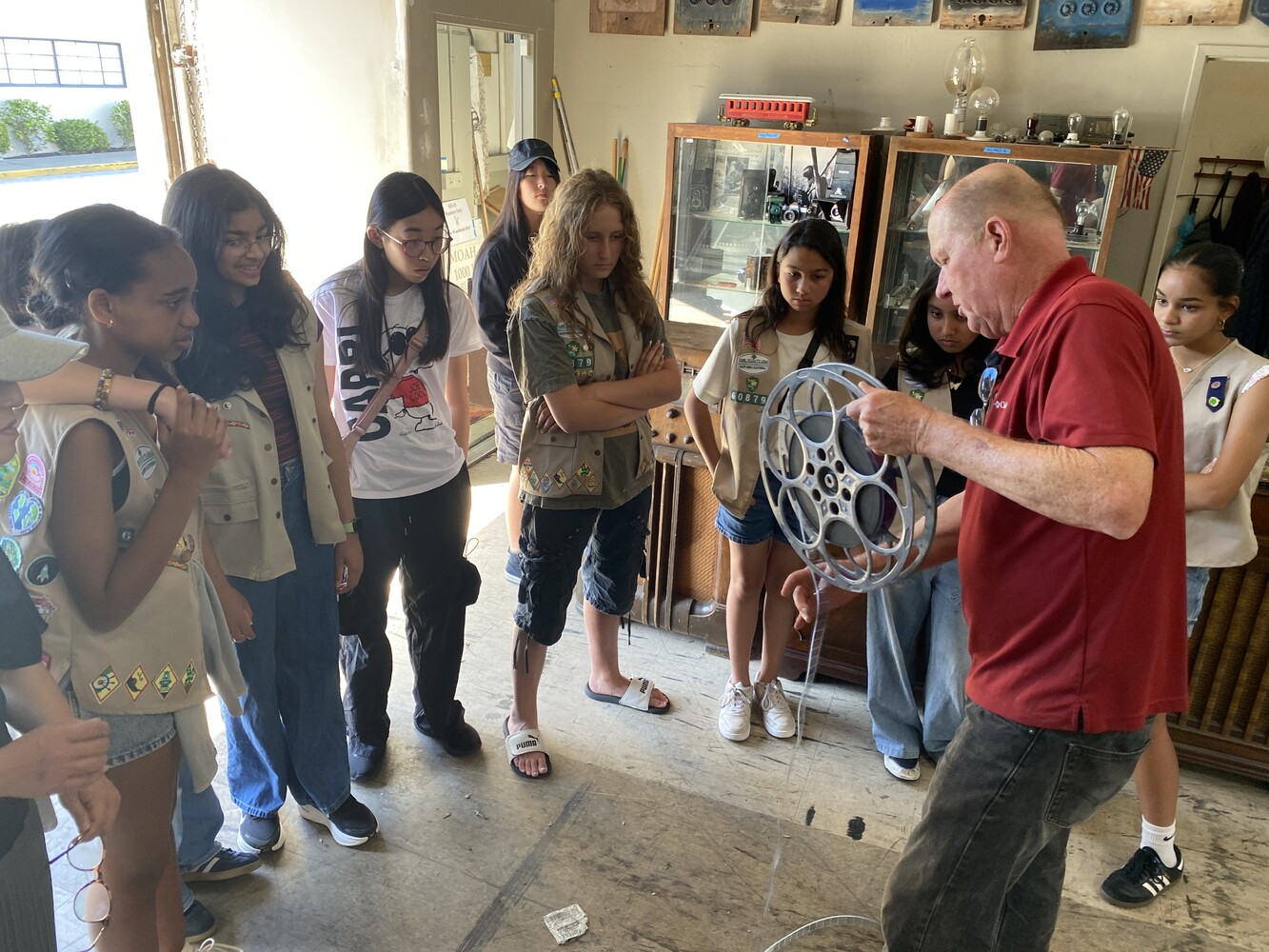
What struck me most was the layering of it all. These girls spent the morning surrounded by the tools and technologies of a world their great-grandparents knew, and they will grow up in a world of artificial intelligence, biotechnology, and advances we cannot yet fully imagine. Standing between those two eras, in a warehouse full of inventions that once felt just as new and world-changing as anything being built today, felt like exactly the right place to be curious.
The Bay Area is not simply a hub of companies and technology. It is a place where, if you stay curious and stay open, you can find yourself in conversation with world-class musicians, company founders, scientists, inventors, community leaders, teachers, builders, and people who have shaped the world in ways that rarely make headlines. The depth of innovation here is extraordinary. So is the diversity of people and experiences, if you are willing to look for it.
At one point during the tour, one of the girls turned to me and asked, "How do you know all these amazing people?"
I told her the truth: I am curious about people. I strike up conversations. I ask questions. I listen. I stay open to learning something I didn't expect to learn that day.
It is the same quality that led my daughter, her science teacher, and me to a chance encounter with Dr. Margaret Kivelson, a living legend in space physics. That meeting could have been a brief, forgettable exchange. Instead, it became something genuinely meaningful because I approached it with an open mind and a real interest in her story.
That, I think, may be one of the most important things we can model for young people in the Age of AI.
Technology will continue to change how we learn, work, create, and connect in ways we can barely anticipate. Curiosity, initiative, real conversation, and human connection are not relics of an earlier era. They are as powerful as they have ever been. Sometimes the door to an unforgettable learning experience opens simply because someone was willing to ask a thoughtful question and truly listen to the answer.
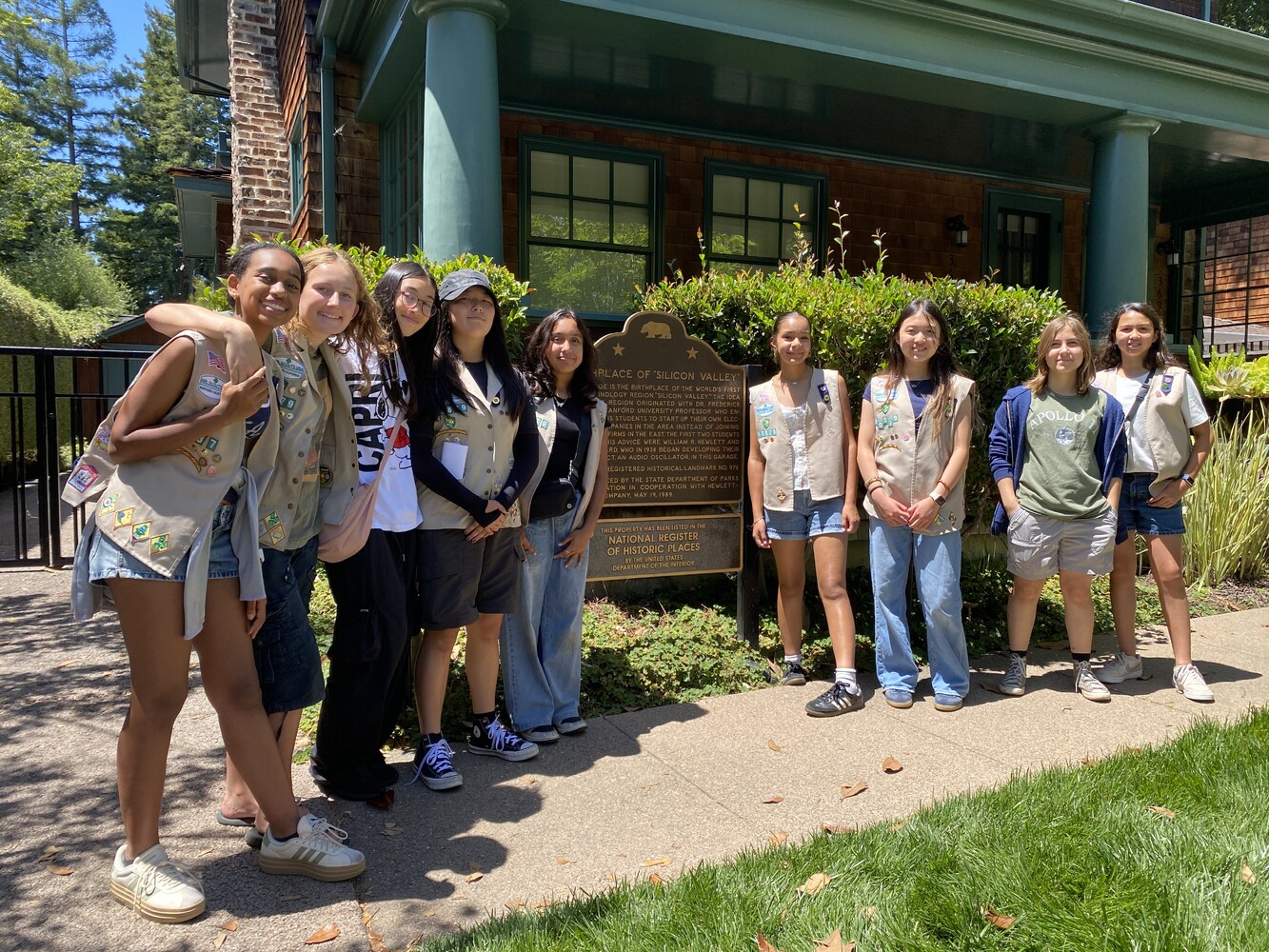
After our private warehouse tour, we made our way to a nearby park for a picnic lunch, then explored the museum itself before ending the day with a visit to the Hewlett-Packard Garage, the small, unassuming birthplace of one of the most consequential companies in history. Standing there with a group of young girls, I felt the full weight of that reminder: history is not something we only read about in textbooks. Sometimes we get to walk through it, touch it, and hear the stories that bring it to life. Sometimes we get to help the next generation see themselves not just as inheritors of what came before, but as part of what comes next.
I am deeply grateful for Jim Wall, for the Museum of American Heritage, for our Girl Scout troop, and for the extraordinary place we are lucky enough to call home.
